
From manual review to structured information
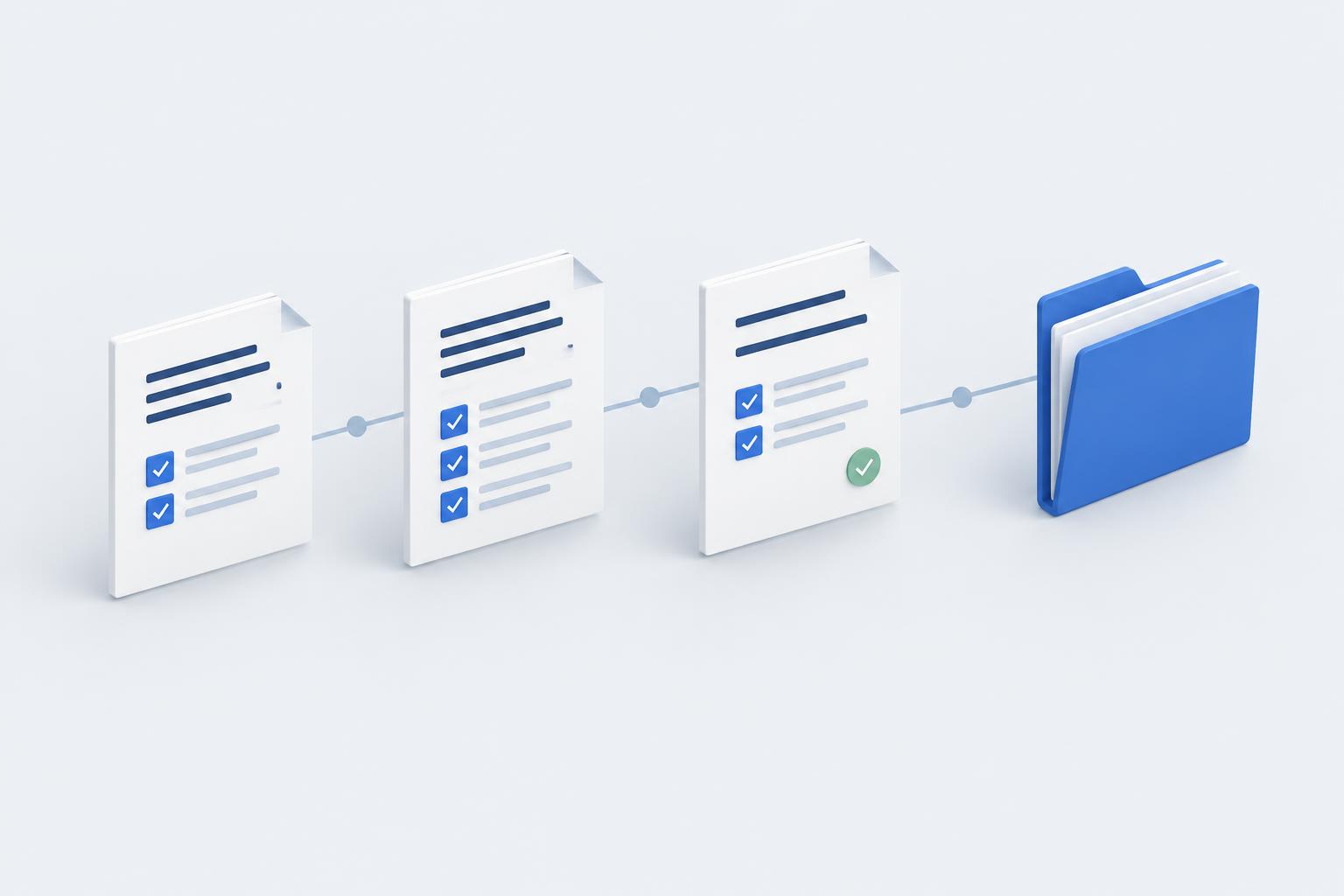
Finance applications can involve payslips, statements and supporting documents in different formats. Manual review requires a person to locate details, interpret labels and transfer information into a consistent working record. Repeated copying can consume attention that would be better spent on exceptions and context.
AI-assisted tools can help organise that first pass by extracting fields or suggesting classifications. Their usefulness depends on the quality of the source documents, the task being performed and the controls around review. Automation is not the same as verified accuracy.
What data extraction can help with
A tool may identify names, dates, payment periods and transaction amounts, then present them in a structured format. That can make comparison easier, especially when the original documents use different layouts.
The reviewer should still be able to trace a value back to its source. A neatly formatted output can conceal an incorrect reading of a decimal point, a cropped page or an ambiguous label. Significant fields should be checked before they are used in an application.
Sentriq combines document collection and application workflow tools with AI-assisted financial document analysis. Its tools help finance professionals review payslips, analyse bank statements and flag information requiring further attention, while keeping human review central to the assessment. See AI-assisted expense analysis.
Payslip analysis: separate extraction from assessment
A payslip workflow may group ordinary earnings, overtime, allowances and deductions. It may also compare periods and calculate an observed average. Those are different tasks from deciding what income a lender will accept.
Holiday payments may replace ordinary earnings, and reimbursements may repay expenses rather than add sustainable income. The reviewer needs the underlying components and context, not just a larger total. Sentriq’s intended payslip analysis capability is designed to support professional assessment, not determine lender-approved income.
Bank statement analysis: classifications need context
AI-assisted categorisation can suggest groups for transactions and highlight recurring activity. It may help distinguish candidate income credits, expenses and transfers, but descriptions alone may not establish the purpose of a payment.
An own-account transfer, a refund and a merchant payment can be difficult to identify from a short reference. Preserve the original entries and route uncertain or material classifications for review. Do not treat a suggested expense total as a definitive affordability decision.
Accuracy, privacy and human oversight
Set a clear boundary around what the tool does and what a person must confirm. Review missing data, inconsistent figures and uncertain classifications, and keep a record of important corrections. A confident-looking answer can still be wrong.
Before introducing AI to customer documents, understand your organisation’s approved data handling, access and service arrangements. The Office of the Privacy Commissioner highlights privacy risks when using generative AI, including confidentiality and inaccurate information. Do not put sensitive customer documents into an unapproved tool.
- Retain access to the original evidence.
- Check material values and calculations.
- Escalate ambiguity rather than silently filling gaps.
- Confirm approved handling of customer information.
- Keep final assessment and lending decisions with the responsible professional or lender.
What to evaluate as tools develop
Future improvements may make document handling more useful, but evaluate demonstrated performance on representative documents rather than relying on broad claims. Test difficult layouts, incomplete files and unusual income components as well as clean examples.
A good workflow makes uncertainty visible and corrections straightforward. The goal is to support more informed professional review, not to remove accountability or turn an automated summary into a lending decision.
Further reading
General educational information, not financial or legal advice. Lender requirements and customer circumstances differ. Final assessment remains with the responsible finance professional or lender.
Back to Resource Centre